 Preußen Münster Hub
The 1970s were a tumultuous period for Preussen Münster, as the club faced a series of challenges that tested its resilience and commitment to its footballing identity. After experiencing a golden era in the late 1960s, including their impressive run in the Bundesliga, the dawn of the 1970s brought a shift in fortunes. Financial constraints and the specter of relegation loomed large over the team, yet it was during these testing times that Preussen's spirit truly emerged.
The club faced numerous adversities, from dwindling attendance at the stadium to the need for a more sustainable financial model. With the Bundesliga's growing commercial demands, many clubs struggled to keep pace, and Preussen Münster was no exception. Players who once donned the prestigious black and white jersey were often left to navigate the uncertain waters of a club grappling with its identity in a rapidly changing football landscape.
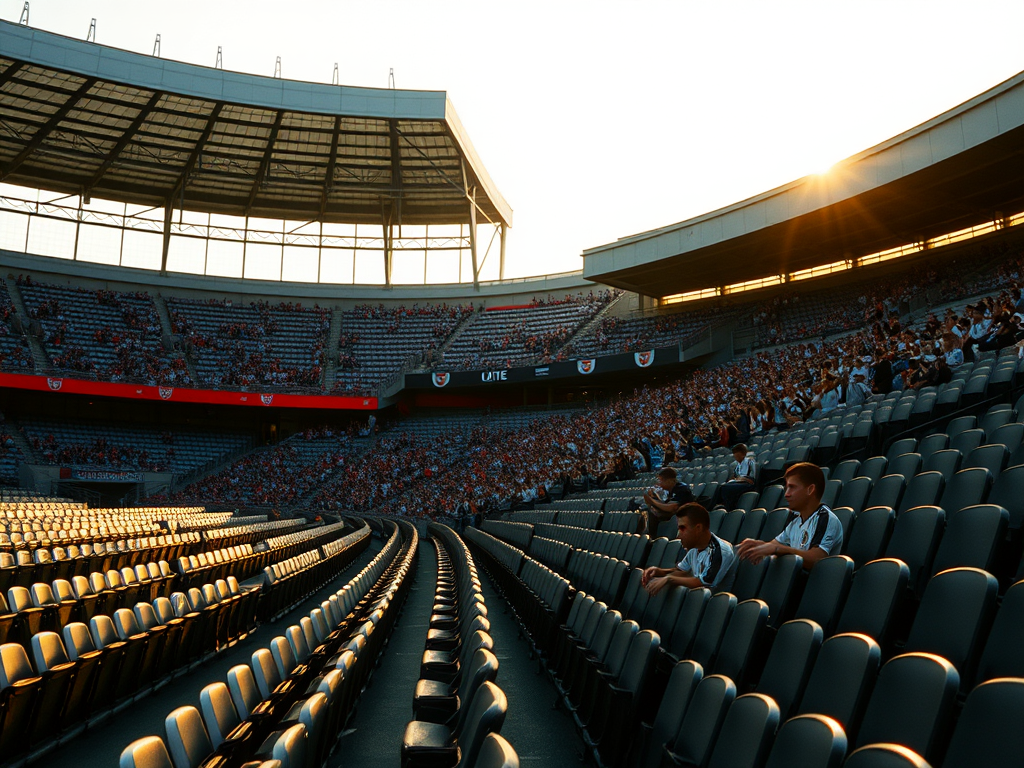
However, it was the unwavering dedication of the fanbase that kept the club afloat during some of its darkest days. Supporters would flock to the stadium, enduring inclement weather and disappointing results, proving that their loyalty transcended the ebb and flow of on-pitch performance. This steadfastness would later contribute to a sense of unity and purpose that became a defining characteristic of Preussen Münster.
One key figure during this challenging decade was coach Hans-Dieter Tippenhauer, who took the reins in the mid-1970s. While the team struggled with consistency, Tippenhauer instilled a sense of discipline and resilience in his players. His focus on building a cohesive squad fostered a community spirit that resonated with the fans, reminding everyone involved that Preussen Münster was more than just a football club—it was an integral part of the city's fabric.
Despite the ups and downs, the 1970s also saw flashes of brilliance on the pitch. Young talents emerged, some of whom would later become pivotal in the club's resurgence. Matches against rivals like BFC Dynamo were characterized by fierce competition, and even in defeat, the spirit of Preussen was evident. Players gave their all, showcasing the heart and determination that the club had come to embody.
As the decade drew to a close, the groundwork laid during this challenging period would prove invaluable. The lessons learned from hardship and the collective resolve of the players and fans would be instrumental in the club's eventual resurgence in the following decade. While the 1970s may not have been the most glorious chapter in Preussen Münster's history, it was undoubtedly one of the most significant in shaping the identity and resilience of the club.
In retrospect, the struggles of the 1970s were not merely obstacles but rather stepping stones that led Preussen Münster toward a brighter future. The unwavering support of the fans and the club's commitment to its core values would ultimately pave the way for a new era of success in the years to come, ensuring that Preussen Münster remains a beloved institution in German football.