 Preußen Münster Hub
Introduction
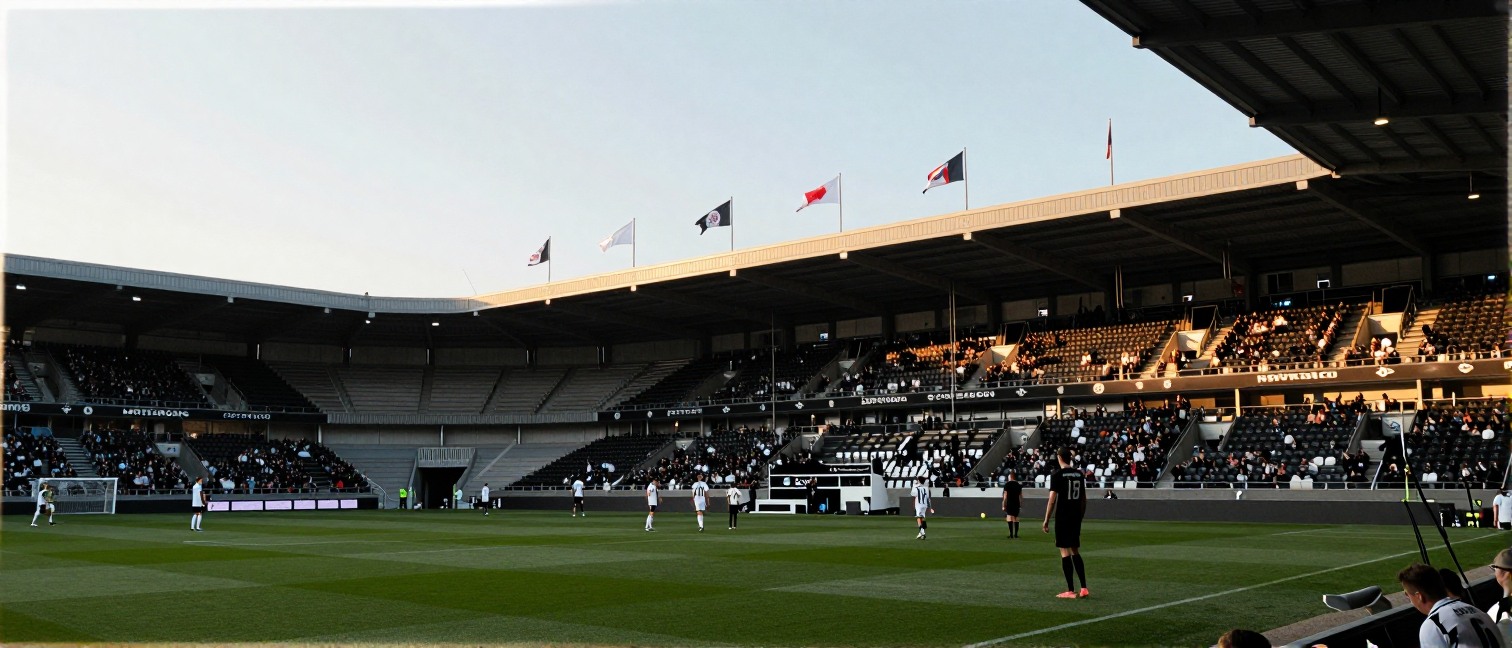
Preussen Münster has faced a challenging stretch in their league campaign, displaying a mix of creative attacking play and defensive frailties. As the team navigates through a demanding season, a tactical analysis reveals potential tweaks that could elevate their performance and secure crucial points.
Current Tactical Setup
Under the current management, Preussen Münster has predominantly employed a 4-2-3-1 formation. This setup allows for a solid midfield presence, with two holding players providing cover for the backline while also enabling transitions into attack. However, recent matches have seen the team struggle to maintain consistent pressure, particularly against opponents who exploit space on the flanks.
Midfield Dynamics
The midfield duo of Tobias Müller and Leon Becker has shown promise in controlling the center of the pitch. However, their effectiveness diminishes when pressed by aggressive opponents. One suggested tweak could be to introduce a more dynamic third midfielder, perhaps utilizing a player like Marvin Titz to provide additional support in both defensive duties and attacking transitions. This would allow Preussen to maintain possession under pressure and create more goal-scoring opportunities.
Wing Play and Width
Preussen’s wingers, particularly Jonas Hübner and Niko Klotz, have been instrumental in providing width and stretching defenses. Nevertheless, there have been instances where they have drifted too centrally, reducing the team's natural width. Encouraging them to hug the touchline more frequently could open up space for overlapping full-backs, creating a more fluid attacking dynamic. This adjustment could also exploit gaps left by opponents when they commit players forward.
Defensive Adjustments
Defensively, Preussen has shown vulnerability to counter-attacks, especially when pushing forward. The back four has occasionally been caught out of position, leading to easy chances for the opposition. A potential adjustment would be to employ a slightly deeper defensive line, allowing the full-backs to engage only when the situation is favorable. Pairing this with a more disciplined approach from the midfielders could help in maintaining structure and minimizing the threat from quick breaks.
Set-Piece Strategy
Set-pieces have become a crucial component of modern football, and Preussen Münster has room for improvement in this area. Currently, their delivery lacks variety, often relying on repetitive corner routines that opponents can easily anticipate. Introducing a more varied approach—such as short corners or intricate patterns of movement in the box—could lead to more scoring opportunities from dead-ball situations, an area where they can capitalize on their height advantage.
Conclusion
As Preussen Münster continues to grapple with their form, tactical adjustments can play a pivotal role in revitalizing their season. By enhancing midfield dynamics, maintaining width in attack, tightening defensive structure, and diversifying set-piece strategies, the team can look to regain momentum. Fans will be eagerly watching to see how the coaching staff implements these tweaks in the coming matches, hoping to steer the team toward a successful turnaround.