 Preußen Münster Hub
As Preussen Münster navigates the complexities of the league, their recent form has revealed both strengths and areas ripe for tactical enhancement. While the team has exhibited flashes of brilliance, particularly in midfield, a deeper tactical analysis indicates that subtle adjustments could significantly elevate their performance.
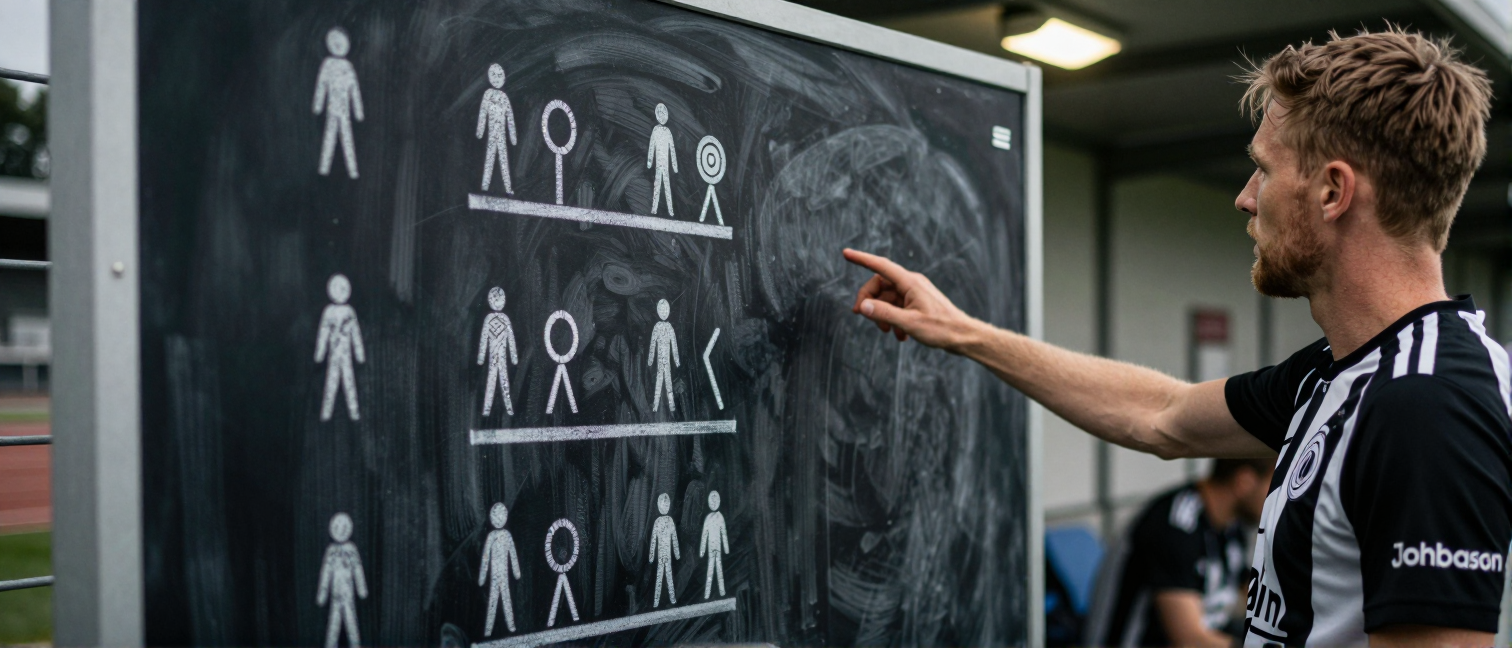
One area of concern has been the team's ability to maintain possession under pressure. In matches where opponents have pressed aggressively, Preussen has sometimes struggled to retain the ball, leading to unnecessary turnovers. To counteract this, a shift towards a more fluid, possession-based approach could be beneficial. Encouraging players to adopt a triangular passing system could facilitate better ball movement and create more passing angles. Midfielders should be instructed to drop deeper to receive the ball from defenders, allowing them to establish control before transitioning into attack.
Another tactical tweak worth considering is the use of width in attack. While Preussen's forwards have been effective in linking up play, there have been instances where their attacking play has become congested through the middle. By utilizing the flanks more effectively, the team can stretch opposing defenses, creating space for central players to exploit. In this regard, instructing wing-backs to push higher up the pitch and deliver crosses into the box could add another dimension to their attacking strategy. Moreover, wingers should be encouraged to cut inside, creating opportunities for overlapping runs from full-backs to exploit the vacated space.
Defensively, while Preussen Münster has shown resilience, there have been lapses in concentration during transitions, particularly when the team loses possession. To address this, instilling a mindset of immediate recovery after losing the ball is crucial. Implementing a high-pressing strategy when the ball is lost in the opponent's half could disrupt their buildup and regain possession more quickly. Additionally, introducing more dynamic defensive rotations, where players shift positions fluidly to cover for one another, can help maintain a solid defensive structure while remaining adaptable to the opposition's movements.
Finally, the introduction of a more flexible formation could allow Preussen Münster to adapt to various opponents. While the traditional 4-2-3-1 formation has served the team well, experimenting with a 3-5-2 setup could provide added defensive stability and width in attack. This formation would not only bolster the midfield presence but also allow for two strikers up front, increasing goal-scoring opportunities.
In conclusion, while Preussen Münster's recent form showcases their potential, adopting these tactical adjustments could lead to more consistent performances. By enhancing possession, utilizing width in attack, ensuring defensive solidity during transitions, and considering a more flexible formation, the team can evolve into a more formidable force in the league.