 Preußen Münster Hub
Introduction
In the bustling heart of Berlin, Preussen Münster is striving to carve out its identity in the league. Recent performances have shown promise, but the team has often faltered in front of goal, missing vital opportunities that could have turned draws into wins. A tactical analysis of their recent form suggests that adjusting their approach to attacking play could be key to unlocking their potential.
Current Form Analysis
Preussen Münster has exhibited a commendable work ethic, but their final third execution has left much to be desired. The team tends to create several chances but struggles with converting these opportunities into goals. This lack of clinical finishing has been particularly evident in matches where they have dominated possession yet walked away with minimal rewards.
Positional Play and Movement
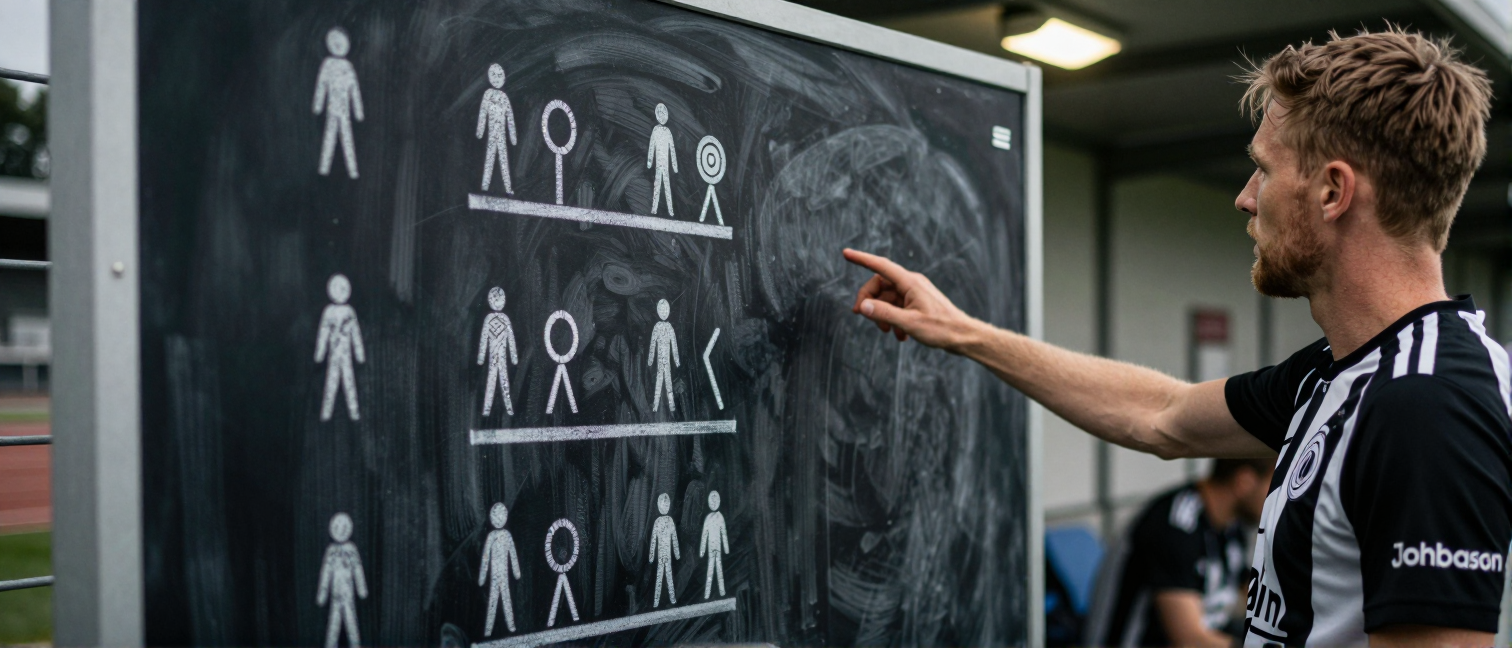
One area for improvement lies in the positioning and off-the-ball movement of the attackers. While the forwards are often involved in build-up play, their movements lack the dynamism needed to exploit defensive gaps effectively. Incorporating more diagonal runs and varying the depth of their positioning could stretch opposing defenses and create clearer goal-scoring opportunities.
Enhancing Link-Up Play
Another tactical tweak could involve enhancing link-up play in the final third. Currently, the team often relies on isolated wing play, which can become predictable for opposing defenses. By introducing more intricate passing sequences and involving midfielders in attacking phases, Preussen can create more overloads and confuse defenders, potentially leading to higher-quality chances.
Focus on Finishing Drills
Training sessions should prioritize finishing drills that simulate match conditions. Players need to work on their composure in front of goal, focusing not just on raw power but also on placement and decision-making. Incorporating game-like scenarios will help players adapt to the pressure of match situations, improving their overall finishing ability.
Utilizing Set Pieces
Set pieces present another avenue for improvement. Preussen Münster has the physicality and aerial prowess to cause problems during corners and free-kicks, but they have yet to fully capitalize on these situations. A dedicated focus on set-piece routines could yield additional goals, especially in tight matches where open play opportunities are limited.
Conclusion
As Preussen Münster navigates the challenges of the league, refining their attacking tactics will be crucial for their success. By enhancing positional awareness, improving link-up play, focusing on finishing in training, and capitalizing on set pieces, the team can transform their attacking output and become a more potent force in the league. With the right adjustments, the potential for Preussen to rise up the ranks remains firmly within reach.