 Preußen Münster Hub
Recent Tactical Form
Preussen Münster has shown glimpses of brilliance in their recent matches, but inconsistency has plagued their results. The tactical setup, primarily a 4-2-3-1 formation, has provided a solid defensive base but has often limited the attacking potential. With key players struggling to find their rhythm, it is crucial to evaluate the current tactics and explore adjustments that could enhance performance.
One noticeable trend in recent games is the stagnation in midfield creativity. The double pivot of the two central midfielders, while defensively sound, has not effectively transitioned the ball to the attacking thirds. This has led to a reliance on wing play, making the team predictable and easier to defend against. In matches where the opposition has employed a compact midfield, Preussen has struggled to break through, often resulting in a lack of goal-scoring opportunities.
Suggested Tactical Adjustments
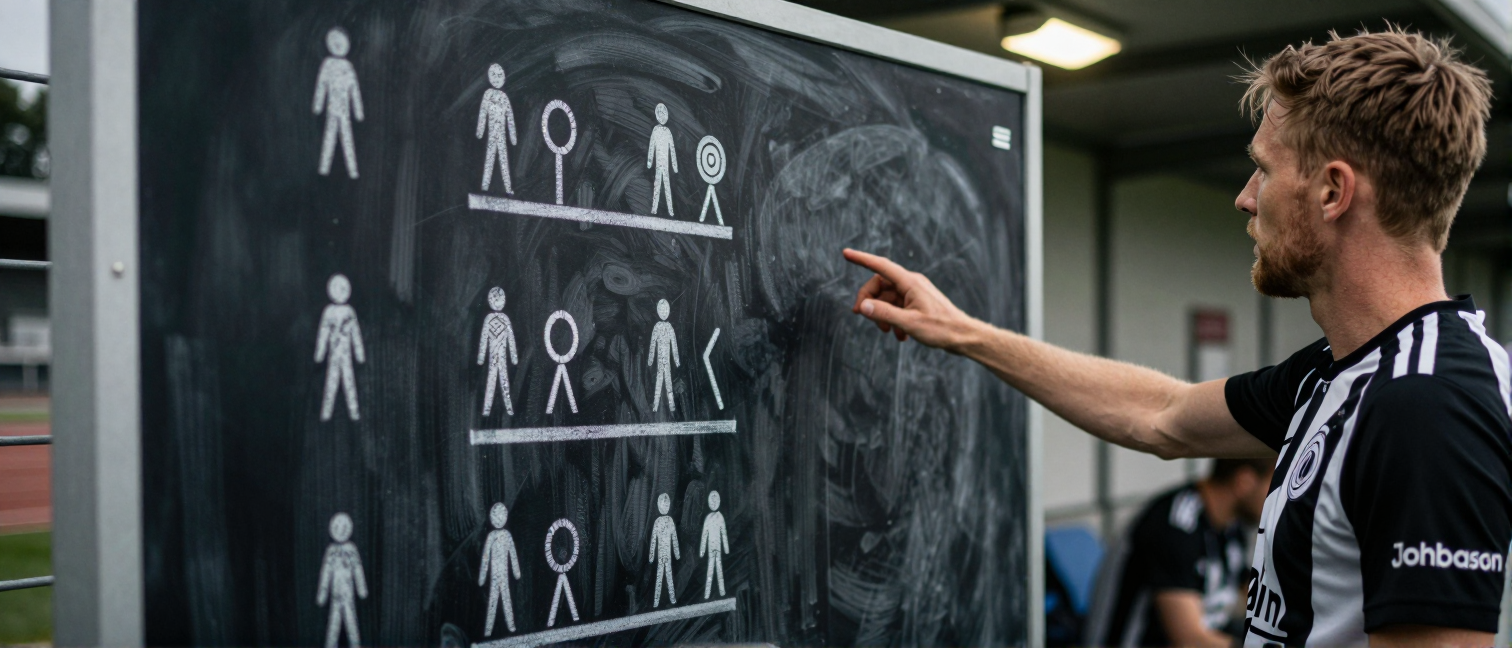
To address these challenges, one potential tweak would be to shift to a more dynamic 4-3-3 formation. This adjustment would allow for an additional midfielder to support ball progression, creating a more fluid link between defense and attack. By positioning a more creative midfielder in the advanced role, Preussen can increase their offensive threat and exploit spaces left by the opposition.
Additionally, adjusting the roles of the wingers could provide a breath of fresh air. Currently, they tend to hug the touchlines, limiting their involvement in central areas. Encouraging them to cut inside more often could create overloads in the midfield and draw defenders out of position, opening up space for overlapping full-backs. This would not only diversify their attacking strategy but also give them more opportunities to shoot or combine in dangerous areas.
Defensive Cohesion and Transition
Defensively, Preussen Münster has exhibited solid organization, but lapses during transitions have led to conceding critical goals. A more disciplined approach during counter-attacks could mitigate this issue. By instructing the midfielders to hold their positions during attacking phases, the team can maintain a more structured shape, making it easier to recover quickly when possession is lost.
Furthermore, instilling a mindset of pressing higher up the pitch could disrupt the opposition’s build-up play. Encouraging the front three to apply pressure on the opposing defenders can lead to forced errors and regain possession in advanced positions, increasing the chances of scoring. This proactive approach could rejuvenate the team's energy levels and instill a winning mentality.
Conclusion
As Preussen Münster continues to adapt to the demands of the league, tactical flexibility will be vital for their success. By embracing a more dynamic formation, enhancing midfield creativity, and refining defensive transitions, the team can improve its overall performance. Emphasizing these adjustments will not only help in the immediate term but also lay the groundwork for sustainable success as they strive for their league objectives.