 Preußen Münster Hub
Defensive Resilience: Tactical Adjustments for Preussen Münster's Backline
Preussen Münster has faced a series of ups and downs in their recent league matches, which has raised questions about the robustness of their defensive strategy. While the team has shown flashes of brilliance in attack, the backline has occasionally faltered, leading to dropped points that could prove costly as the season progresses. A thorough tactical analysis reveals key areas where adjustments could enhance defensive stability, allowing Preussen to build a foundation for success moving forward.
Current Defensive Setup
In recent games, Preussen Münster has predominantly utilized a back four, featuring a combination of experienced defenders and youthful talent. The full-backs have been encouraged to overlap, providing width in attack while also maintaining their defensive responsibilities. However, this approach has sometimes left the center-backs exposed during transitions, particularly against teams that counter quickly.
One notable instance was during the last match, where the opposing side exploited gaps left by the advancing full-backs. This vulnerability indicates a need for a more structured approach to defensive duties, especially when possession is lost.
Suggested Adjustments
1. Reinforcing Central Partnerships
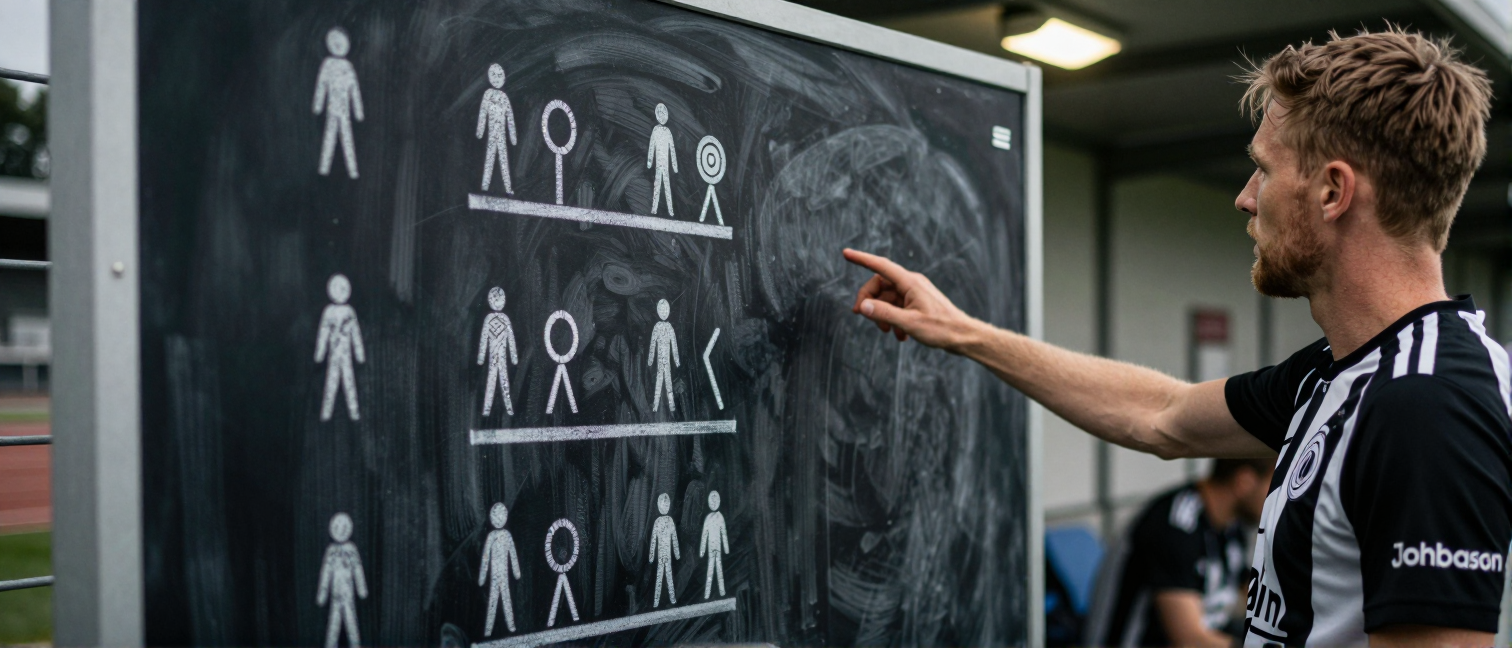
A key tweak for Preussen Münster would be to strengthen the communication and positioning between the center-backs. By encouraging both players to adopt a more cohesive partnership, they can better manage threats from opposing forwards. This could involve using a more zonal marking system, particularly in high-pressure situations, allowing the defenders to anticipate runs and cover for each other effectively.
2. Full-Back Discipline
While the attacking contributions of the full-backs are crucial, it’s vital to instill a sense of discipline in their positioning. Implementing a tactical framework that allows them to read the game better will ensure they can recover quickly when possession is lost. A more conservative approach—where full-backs only join the attack during established phases—might help maintain defensive integrity without sacrificing too much offensive threat.
3. Midfield Shielding
Another critical area for improvement lies in the role of the midfielders. Currently, the midfielders often push forward, leaving gaps that opposing teams exploit. By instructing at least one central midfielder to adopt a more defensive posture—acting as a shield for the backline—Preussen can mitigate the risk of being caught on the break. This player should be tasked with intercepting passes and breaking up play, allowing the defenders to focus on their primary roles.
4. Set-Piece Organization
Set-pieces have proven to be a double-edged sword for Preussen Münster this season. While they have scored from corners and free-kicks, they have also conceded several goals from similar situations. A dedicated focus on set-piece organization during training sessions, including designated roles for each player, could significantly reduce the chances of conceding from dead-ball situations.
Conclusion
In conclusion, Preussen Münster's defensive frailties highlight an important aspect of their tactical setup that needs addressing as they prepare for the next phase of the season. By implementing these adjustments—reinforcing central partnerships, instilling full-back discipline, enhancing midfield shielding, and organizing set-pieces—the team can build a more resilient backline. A solid defense will not only provide a foundation for success but will also enhance the confidence of the entire squad as they look to climb the league table and re-establish themselves as a formidable force in German football.