 Preußen Münster Hub
Adjusting Preussen Münster's Formation: A Tactical Examination
As the season progresses, Preussen Münster has shown glimpses of potential but has struggled to maintain consistent form. With their current league position raising concerns, it's essential to analyze their tactical setup and identify potential tweaks that could lead to improved performances.
Current Tactical Setup
Preussen Münster has predominantly employed a 4-2-3-1 formation, which allows for a solid defensive base while providing options in attack. However, recent matches have highlighted certain weaknesses, particularly in transitioning from defense to attack. The midfield duo has often found itself outnumbered, leading to a lack of control in the middle of the park. Furthermore, the wingers have been isolated, making it challenging to create goal-scoring opportunities.
Suggested Tweaks
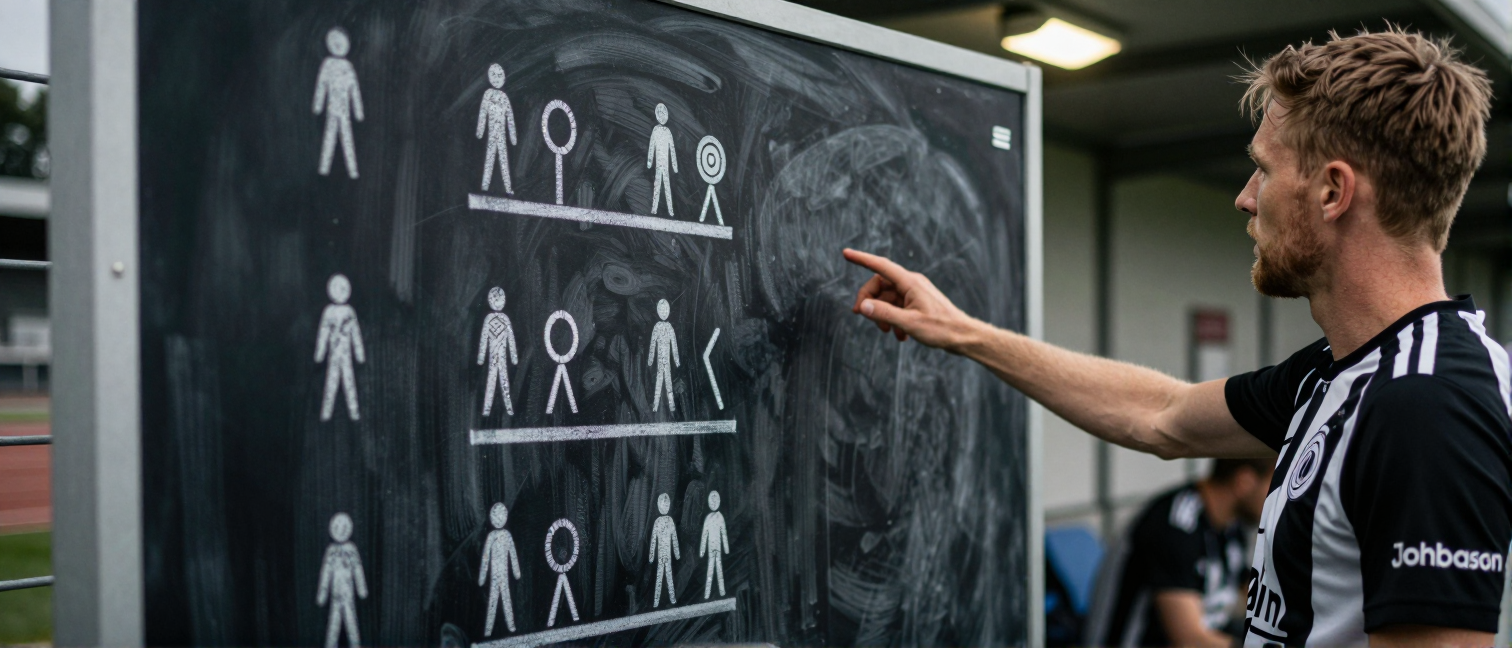
1. Transitioning to a 4-3-3 Formation One immediate adjustment could be shifting to a 4-3-3 formation. This change would offer better midfield control, allowing the central trio to dictate play and support both the defense and attack more effectively. By incorporating an additional midfielder, Preussen can better withstand pressure from opposing teams while also providing more passing options in the final third.
2. Utilizing the Full-Backs Another area of focus should be the role of the full-backs. Currently, they play a mostly defensive role, limiting their impact on the attacking phase. Encouraging the full-backs to overlap with wingers and provide width in attack could help stretch opposing defenses and create gaps for central players to exploit.
3. Adjusting Player Roles The roles of key players, particularly in the attacking midfield, could also benefit from re-evaluation. Shifting a more dynamic player into a free-roaming role can enable fluid movement, allowing him to drift into spaces where he can receive the ball and create chances. This strategic repositioning could enhance the team's creative output significantly.
4. Pressing Strategy Implementing a more aggressive pressing strategy could also change the dynamics of matches. By ensuring that the forward line applies pressure on the opposition's defenders, Preussen can regain possession higher up the pitch, leading to quick counter-attacking opportunities. This tactic can be particularly effective against teams that struggle with building from the back.
Conclusion
In conclusion, while Preussen Münster has demonstrated resilience and determination, tactical adjustments could provide the necessary boost to elevate their performances. By considering a change in formation, better utilizing player roles, and adopting a more aggressive pressing strategy, the team can enhance their competitiveness in the league and work towards securing valuable points moving forward. The potential is there; it’s all about optimizing their approach for success.